
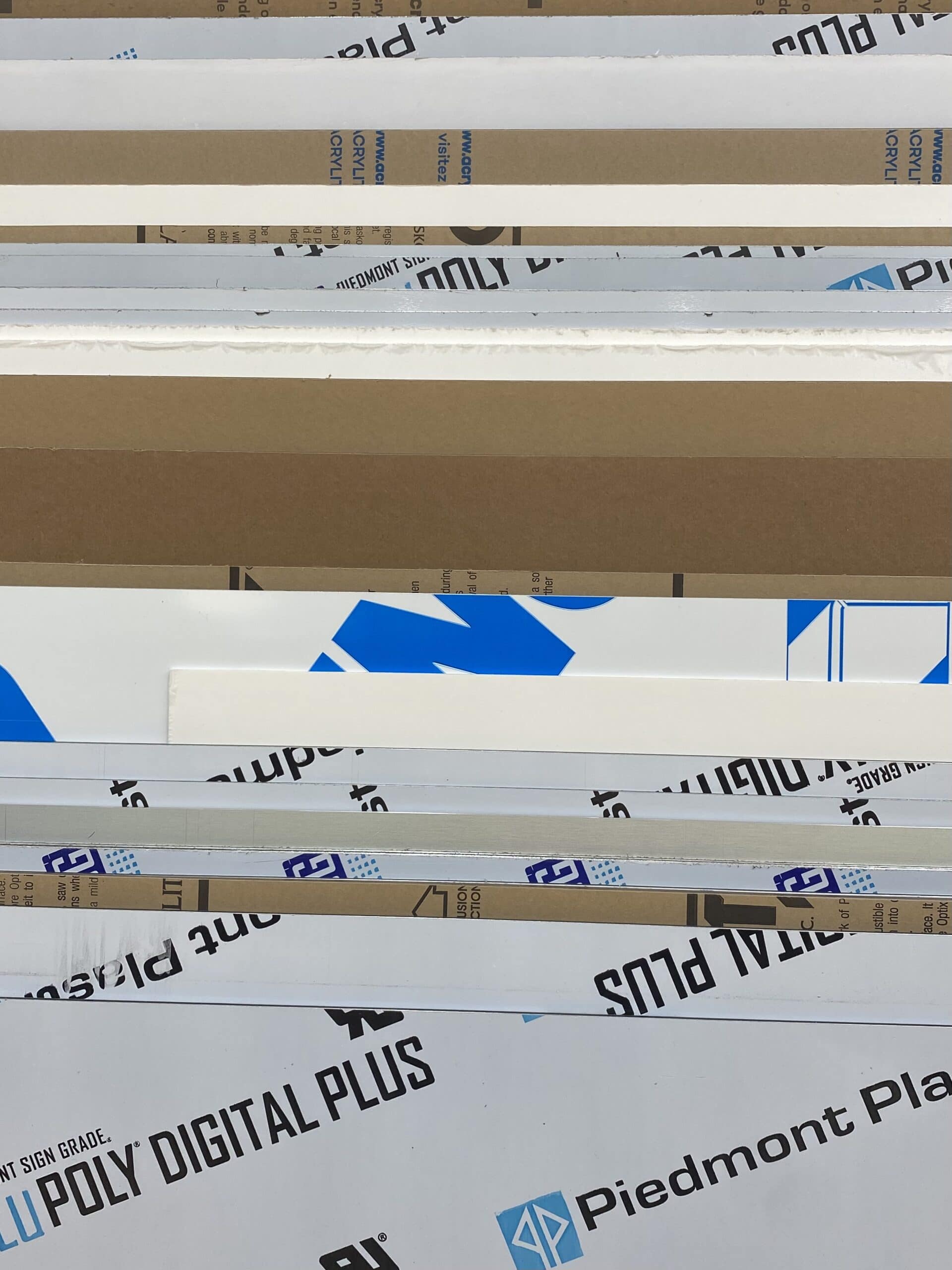
Dibond is the leading brand name for Aluminum Composite Material/Panel (ACM or ACP). It is an industrial material created for architectural design and is widely used as a mounting surface for fine art prints.
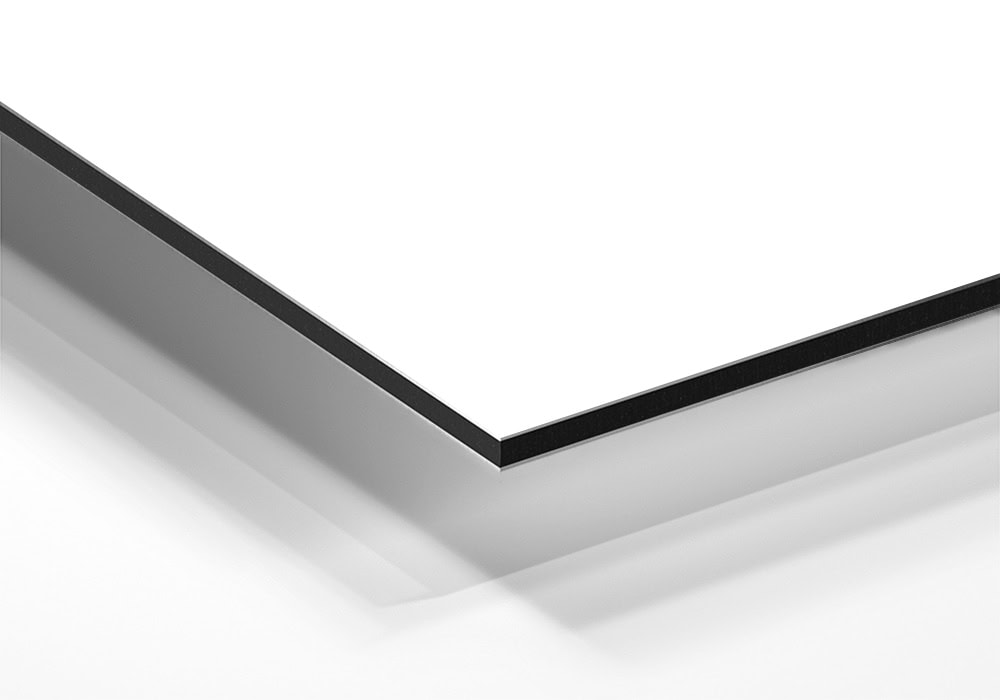
Dibond is composed of two thin sheets of aluminum sandwiched around a plastic core typically 3mm in depth. The aluminum has a white painted surface which provides an excellent base and white point for printing, as seen in the photo to the right.
While it is manufactured for commercial applications, Dibond is well-suited for fine art because of its archivability and compatibility with the UV pigment inks. It provides a versatile and beautiful surface for printing a wide range of imagery from photography to abstract works of art.
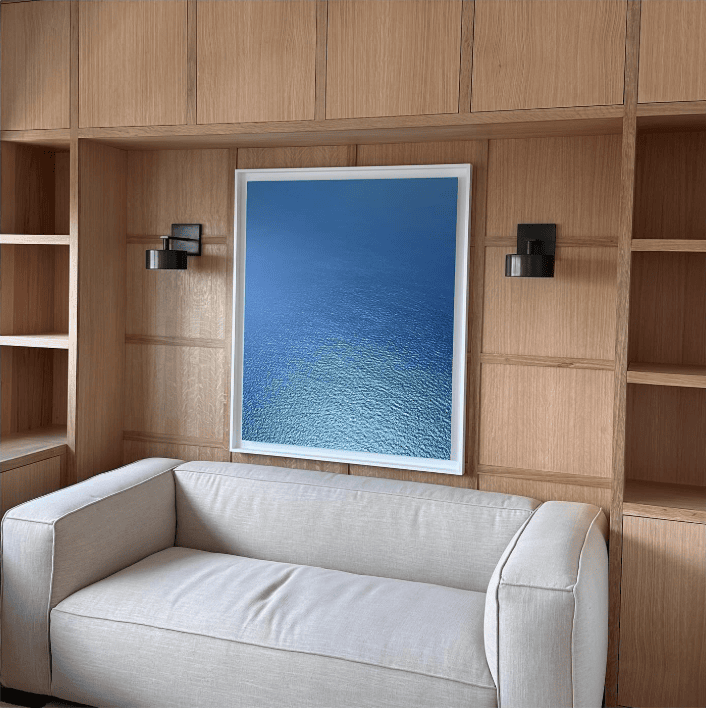
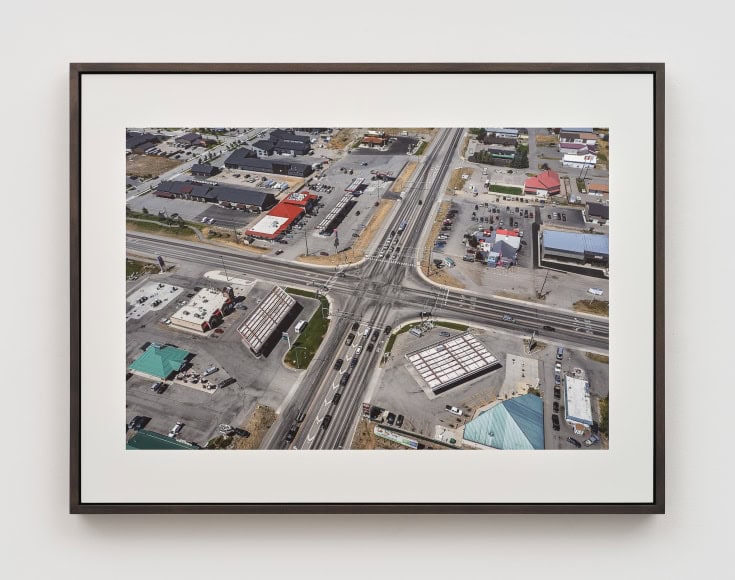
“Why Dibond?” you may ask. Dibond not only has a smooth surface, but it is light weight and rigid, making it an excellent back mounting option for prints on paper or other soft materials. After the paper print is back mounted, it would then need to be fit into a traditional frame with glazing such as plexiglass or museum glass to protect the fragile surface of the print. As an alternative, we use our SwissQ UV printer to print directly to the surface of the Dibond, eliminating the need for mounting AND glazing. The printed surface is much more durable than paper, therefore the UV print to Dibond can be displayed without additional plexiglass or museum glass in front, providing a truly non-glare option to those sensitive to reflection.
Typical display options for UV prints to Dibond are a wood or aluminum tube brace and cleat system, and a float or tray frame.
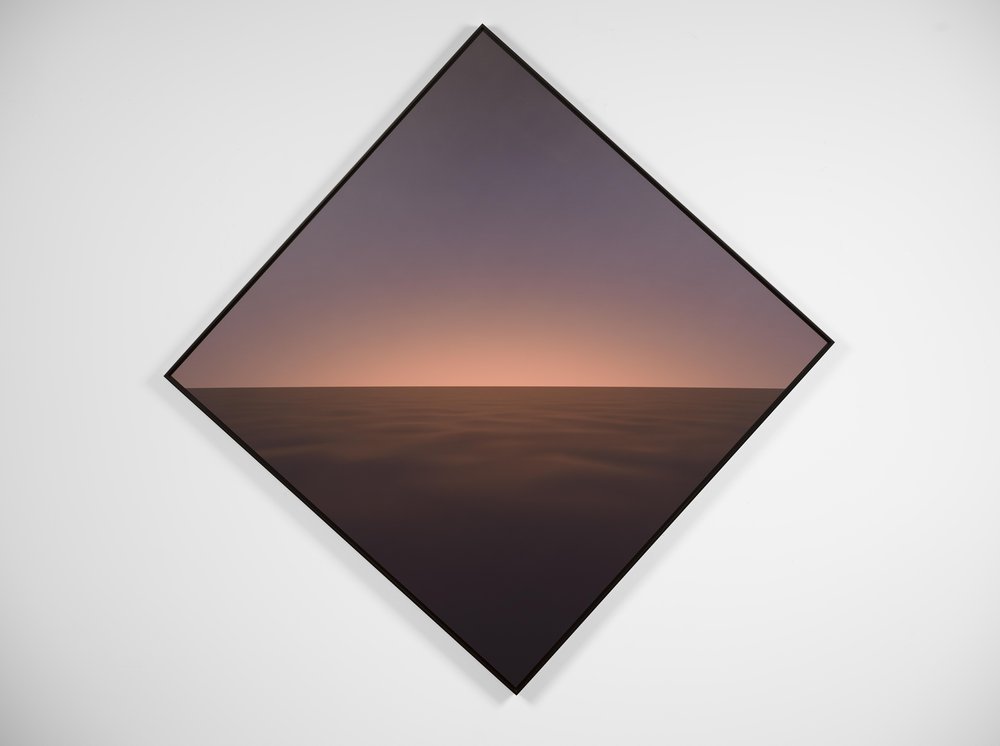
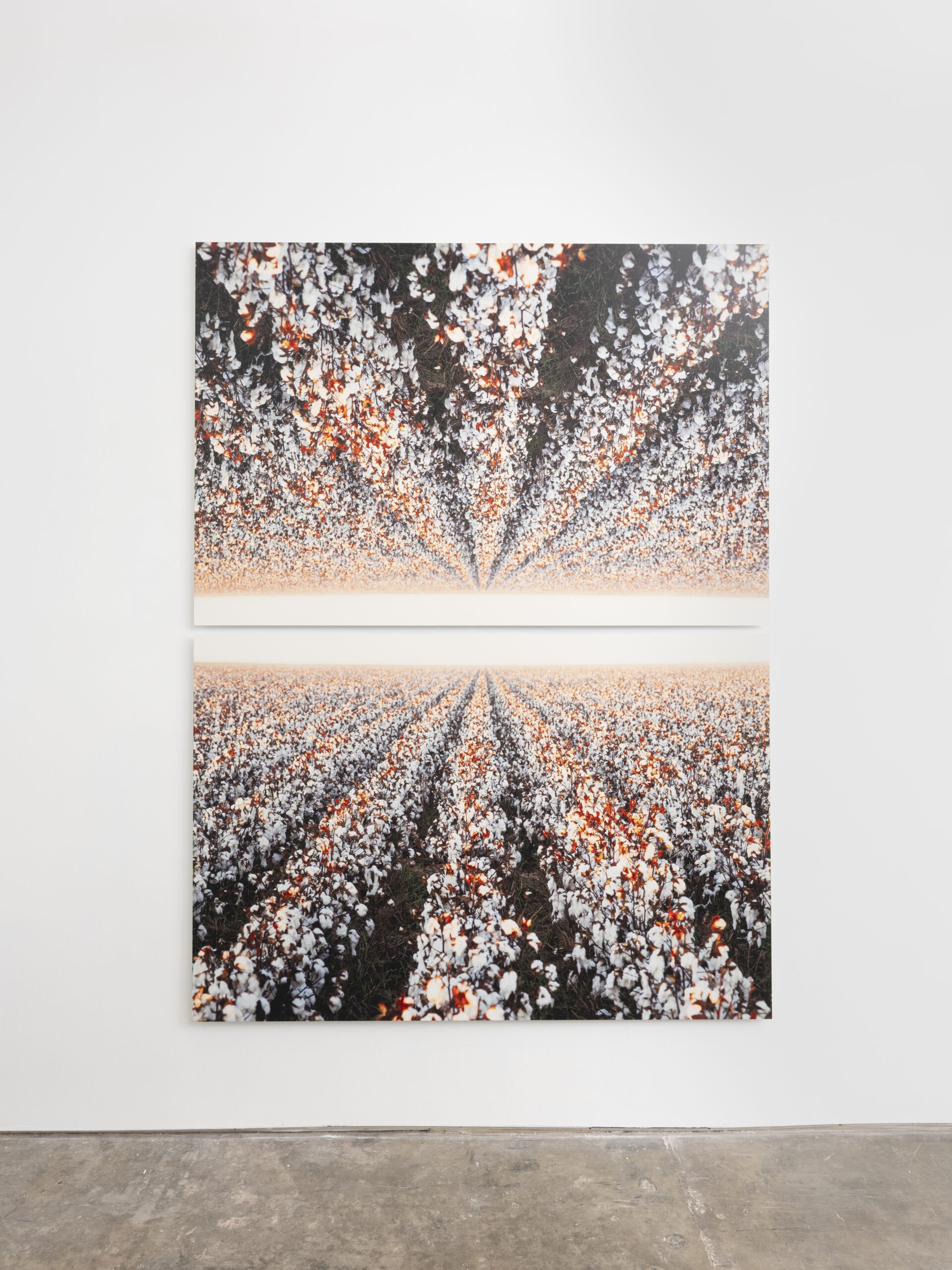
Pictured above from left to right are 4 different styles of display:
Craig Kalpakjian, 42×42″ UV print direct to 3mm Dibond, with Custom wood float frame, 2023
Todd Murphy, 70×46″ vertical diptych UV print direct to 3mm Dibond, with Aluminum tube brace for hanging, 2025
Jami Goldman, 36×44″ UV print direct to 3mm Dibond, with Custom wood float frame, 2023
Stephen Shore, 32×24″ UV print direct to 3mm Dibond, with Custom wood float frame, 2024